Pimple In My Lips Hurts Oral Herpes Mouth Cold Sores Pain
this article is a discussion about pimple-like lesions located on your lips or in your mouth area. These are experiences of people who may have herpes on their lips or simply mouth cold sores and are experiencing pain because it hurts a lot. [8201], Last Updated: Tue Feb 07, 2023
herts
Wed Dec 12, 2007
15 Comments
29221 Visits
I have this pimple inside my top lip and it is hurting so much. The pain is unbearable sometimes. I am scared I have Herpes. I will share with you how I was able to get rid of the pain.
Here is an image of how the pimple looks like:
Mount Pimple
I met my girlfriend about three months ago, we've been going out and last week we made out, we just kissed and yesterday my upper lip started to feel a little pain. it felt like a pimple was coming out. now it feel like it getting bigger or swollen even more. when I was in school I remember they warned us about STD's and one of the topics was herpes, and now I am wondering if I even have it. I remember having this before when I was a kid but I didn't know what it was.
I know from looking at my picture here, you are gonna think this is sick. but I am just posting here so maybe you have the same thing and it will help you to know that you are not the only one who has this. this is normal. its not herpes, they are called cankers or mouth sores. I got this one because I had fever the last week before. they are also called fever blisters. the sting is intense, it hurts so much if you let them grow.
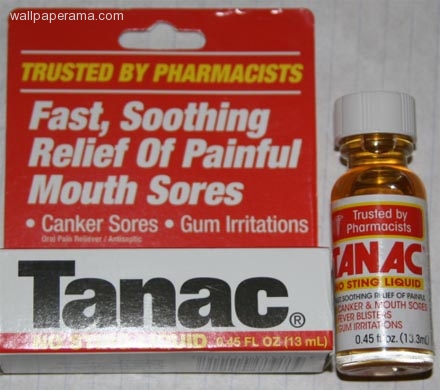
luckily there is a cure for it. you can go to the pharmacy and buy a little bottle called TANAC
These are Tanac's instructions:
Adults and children 2 year of age and older. apply this liquid with cotton swab or clean fingertip to the affected area, us up to 4 times daily or as directed by a dentist or doctor.
The kids at school make fun of me and they make me feel so bad. Sometimes I want to cry because I can't stop them from getting this. I like to know if more people suffer from this, can you take a picture and post it here?
I am wondering if I do have herpes? has anyone else experience this before?
Here is an image of how the pimple looks like:
Mount Pimple
I met my girlfriend about three months ago, we've been going out and last week we made out, we just kissed and yesterday my upper lip started to feel a little pain. it felt like a pimple was coming out. now it feel like it getting bigger or swollen even more. when I was in school I remember they warned us about STD's and one of the topics was herpes, and now I am wondering if I even have it. I remember having this before when I was a kid but I didn't know what it was.
I know from looking at my picture here, you are gonna think this is sick. but I am just posting here so maybe you have the same thing and it will help you to know that you are not the only one who has this. this is normal. its not herpes, they are called cankers or mouth sores. I got this one because I had fever the last week before. they are also called fever blisters. the sting is intense, it hurts so much if you let them grow.
luckily there is a cure for it. you can go to the pharmacy and buy a little bottle called TANAC
These are Tanac's instructions:
DIRECTIONS: temporary relieves pain or injury due to canker sores, cold sores, fever blisters and minor irritation or injury of the mouth and gums.
Adults and children 2 year of age and older. apply this liquid with cotton swab or clean fingertip to the affected area, us up to 4 times daily or as directed by a dentist or doctor.

The kids at school make fun of me and they make me feel so bad. Sometimes I want to cry because I can't stop them from getting this. I like to know if more people suffer from this, can you take a picture and post it here?
I am wondering if I do have herpes? has anyone else experience this before?
ed
Thu Dec 13, 2007
ed
i know i get that some times, usually after i had a cold or get fever
Brenda
Wed Sep 09, 2009
^^^^^^^^
all you guys are retards.
that's just a freaking kanker sore.
all you guys are retards.
that's just a freaking kanker sore.
vanessa
Fri Jun 18, 2010
cold sores/fever blisters = herpes
canker sores = canker sores
i'm pretty sure what you have there is just a canker sore. i get canker sores like that too and was worried for so long that it might be herpes, but it's not! you should read about them on wikipedia.
Fred
Fri Oct 31, 2008
richard, tell your mom that cold sores are herpes, but whatever they are called, that doesn't make them worse or better, they just are what they are. just don't spread them due to your mom not knowing that cold sores and herpes are the same thing.
https://www.wallpaperama.com/forums/pimple-in-my-lips-hurts-oral-herpes-mouth-cold-sores-pain-t1978.html
https://www.wallpaperama.com/forums/pimple-in-my-lips-hurts-oral-herpes-mouth-cold-sores-pain-t1978.html
DDS
Thu Dec 18, 2008
it looks like an apthous ulcer. see your dentist!!!!
helen
Tue Apr 29, 2014
apthous ulces are also known as canker sores. they are very common in people, so its not herpes sir