Puffer Fish Wallpapers Free Puffer Fish Wallpaper Fish Pictures Photos Pics Images
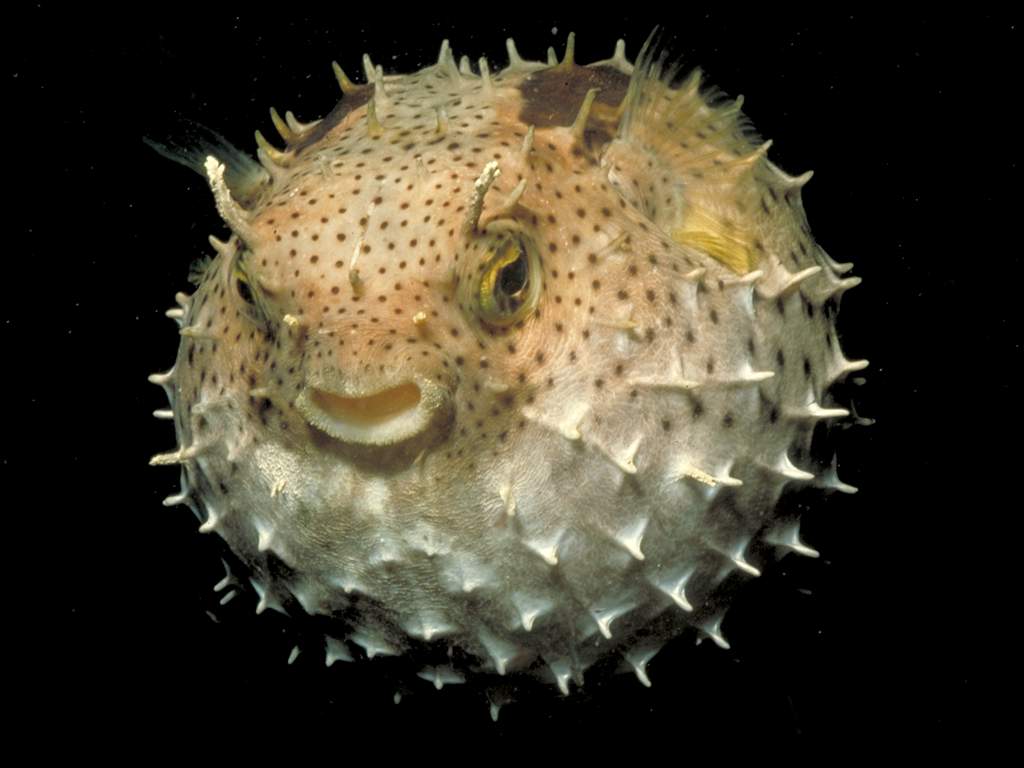


Puffer Fish Wallpapers Free Puffer Fish Wallpaper Fish Pictures Photos Pics Images
puffer fish Wallpaper - Thanks for visiting Wallpaperama, We hope you enjoy this puffer fish Wallpaper for your PC Desktop Background. If you like this puffer fish wallpaper, tell a friend about Wallpaperama. You can even sent this wallpaper of puffer fish to your best friend or post your comments on puffer fish iphone wallpaper.
Choose Size
Available Sizes
Choose Donwload
puffer fish - Puffer Fish Wallpapers Free Puffer Fish Wallpaper Fish Pictures Photos Pics Images
Wallpaperama Wallpaper Name: puffer fish
Wallpaperama Wallpaper Description: this is an amazing wallpaper of a beutiful puffer fish
Wallpaperama Wallpaper Tags:
Wallpaperama Wallpaper Information: www puffer fish com www.pufferfish.com Desktop Background of puffer fish theme wallpaperama puffer fish Computer Background puffer fish Download puffer fish gallery fotolog galleria puffer fish Fond décran Fonds De Ecran fonditos puffer fish sfondi Gratuit freit gratis <a href="http://www.wallpaperama.com">wallpaperama</a> cool amazing beautiful 1600x1200 280x1024 1024x768 800x600 puffer fish
* Name [nombre]                           * eMail (will not be published) [coreo electronico]
     
* Enter Your Reply or Comments:    [commentarios]  


this is the members options


# 20202 Reply By Angelica Vassallo On Fri Sep 14, 2007 6:04 pm
i think puffer fish are so fat, but smart. they don't just blow up when something touches them, but also when they feel danger around them.don't ya also think i am right? i mean someone please agree with me.oh,and hurry up before i get tired of wating!!!...


hello, still wating 4 your answer.


man i can't wait any longer, i'm going to sleep. pease out.
# 8199 Reply By pufer fishes On Mon Jun 25, 2007 4:36 pm
Reply Puffer Fish Wallpapers Free Puffer Fish Wallpaper Fish Pictures Photos Pics Images
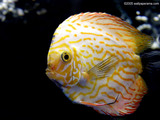
i love puffer fish, i like this picture of a yellow fish in the ocean
# 3437 Reply By Edward On Thu Jul 20, 2006 9:15 am
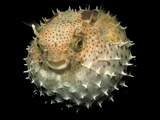
The pufferfish, also called blowfish, swellfish, globefish, balloonfish are fish making up the family Tetraodontidae, within the order Tetraodontiformes. They are named for their ability to inflate themselves to several times their normal size by swallowing water or air when threatened; the same adaptation is found in the closely related porcupinefish, which also have spines (unlike pufferfish).

The eyes and internal organs of most pufferfish are highly toxic, but nevertheless its meat is considered a delicacy in Japan and Korea. The name "fugu" is used both for the fish that are eaten and for their meat (for more details see Fugu).

There are 185 known species of the family Tetraodontidae, of which 38 can be found in Japan. They can be found worldwide from about 45° latitude north to 45° latitude south, mostly in salt water near coral reefs or the shore, but some species also live in fresh water or brackish water.

The pear-shaped pufferfish is a slow swimmer, and mainly uses its small pectoral fins for propulsion, which does not allow it to escape predators very well. In case of danger, they inflate themselves by filling their extremely elastic stomach with water (or air when outside the water) until they are almost spherical. In case this defense fails, pufferfish also contain a powerful neurotoxin in their internal organs, making them a lethal meal for most predators. It is found mainly in the ovaries and liver, to a lesser extent in the intestines and skin, and only in small amounts in the muscles and blood.

The toxin is called tetrodotoxin, or more precisely anhydrotetrodotoxin 4-epitetrodotoxin and is about 1200 times deadlier than cyanide. This poison can also be found in other animals such as the Blue-Ringed Octopus, or even some newts. The pufferfish does not create the poison itself; rather it is generated by various genera of bacteria within the fish. The fish obtains the bacteria by eating food containing these bacteria. Pufferfish that are born and grown in captivity do not produce tetrodotoxin until they receive some of the poison-producing bacteria, often by eating tissues from a toxin-producing fish. Also, some fish are more poisonous than others. A poisonous fish has enough poison to kill 30 adults.

Tetrodotoxin is a very potent neurotoxin and shuts down electrical signaling in nerves by binding to the pores of sodium channel proteins in nerve cell membranes. It does not cross the blood-brain barrier, leaving the victim fully conscious while paralyzing the remainder of the body. In animal studies with mice, 8 µg tetrodotoxin per kilogram of body weight killed 50% of the mice. The pufferfish itself has immunity to the poison due to a mutation in the protein sequence of the sodium channel pump on the cell membranes.

Tetrodotoxin is one of the deadliest natural toxins and is not destroyed by washing, cooking, or other food preparation. It concentrates in the liver and visceral organs of the pufferfish and is also found in several species of frogs, salamanders, and octopus.

Tetrodotoxin binds sodium channels, preventing sodium influx into nerve axons. It also acts on vascular smooth muscle and skeletal muscle. Symptoms of tetrodotoxin occur rapidly after ingestion and include weakness, dizziness, paresthesias of the face and extremities, nausea, and loss of reflexes. With higher doses there is severe hypotension and, in some cases, general paralysis. Death can occur due to respiratory failure and hypotension. It is not unusual for the patient to remain conscious while paralyzed.

Treatment of pufferfish poisoning consists of supportive care and intestinal decontamination with gut lavage and charcoal. Case reports suggest that anticholinesterases such as edrophonium may be effective.

Saxitoxin, the cause of PSP (Paralytic shellfish poisoning, red tide), can also be found in pufferfish. Cases of neurologic symptoms, including numbness and tingling of the lips and mouth, have been reported to arise rapidly after the consumption of pufferfish caught in the area of Titusville, Florida. These symptoms generally resolve within hours to days, although one affected individual required intubation for 72 hours. As a result of such cases, Florida banned the harvesting of pufferfish from certain bodies of water.